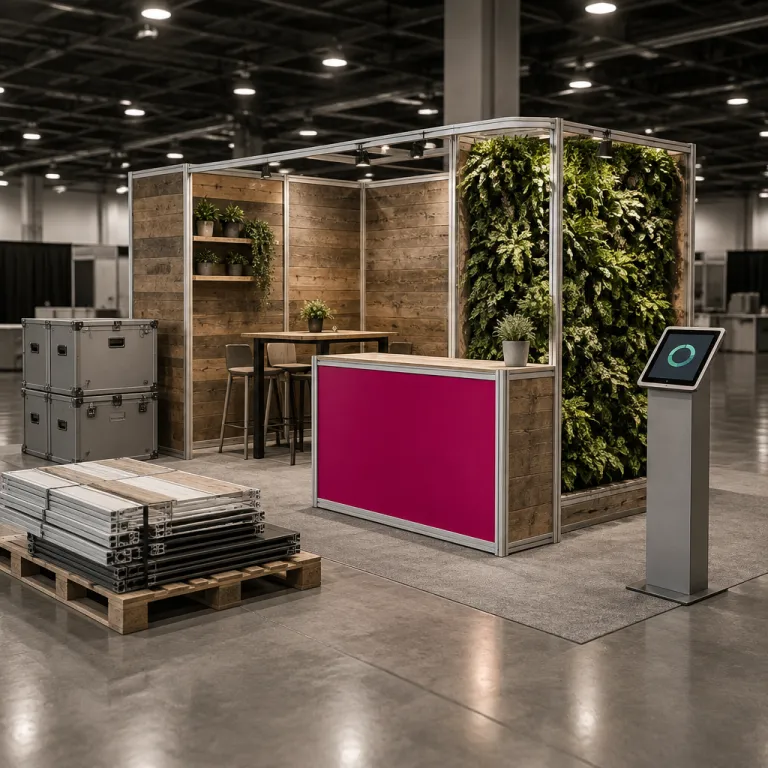
Why sustainable booths now sit on the same line as media spend
For any sustainable trade show booth exhibitor in Australia, stand costs now compete directly with paid media and digital campaigns. Marketing directors see that every booth, every show and every exhibit either compounds long term brand equity or erodes it through hidden environmental impact and waste. When sustainable choices are framed as a multi year asset rather than a one off expense, they start to look like one of the most efficient levers in the entire event portfolio and a core part of the marketing mix.
Event waste from traditional exhibits and show booths is measured in tens of thousands of tonnes globally, and Australian venues contribute meaningfully to that total. A 2023 internal analysis by a national exhibition supplier, based on 120 projects across Sydney and Melbourne, found that single use custom stands generated an average of 1.2 tonnes of waste per 36 m² booth. Modular tradeshow booth systems built from sustainable materials such as aluminium extrusion frames and recycled panels can significantly cut overall booth weight, which sharply reduces freight energy and associated emissions. That weight reduction also lowers handling fees at each trade show, so sustainability and budget discipline finally pull in the same direction and can be modelled side by side in a modular booth ROI calculator.
For a sustainable trade show booth exhibitor managing ten or more events per year, the financial pattern is clear. A custom booth built for single use locks budget into carpentry, paint and booth materials that become waste after the show, while a modular sustainable booth pays for itself within a few events through reuse and lower labour. One dated but illustrative 2022 case study from a Brisbane based industrial supplier showed a 35 percent reduction in total exhibit spend over eight events after switching to a modular system. When you add carbon tracking and ESG reporting obligations, the case for modular exhibit design becomes not only eco friendly but commercially unavoidable for Australian B2B brands.
From custom build to modular system: redesigning the booth P&L
Shifting from a one off custom booth to a modular exhibit program changes the entire profit and loss profile of your events. Instead of commissioning a new show booth for each industry show, you invest once in a flexible structure that reconfigures across stand sizes and audience segments. This approach lets a sustainable trade show booth exhibitor spread both financial and environmental impact over many appearances, rather than absorbing full costs every time and writing off materials after a single use.
Modular booth design built on aluminium frames, tension fabric graphics and FSC certified panels is lighter, faster to assemble and easier to store between shows. Industry case studies from Australian exhibition suppliers such as ExpoNet and Moreton Hire report setup time reductions of more than half when teams move from bespoke carpentry to pre engineered modular systems, which means your on site équipe can focus on engagement rather than supervising construction. Those same sustainable materials are typically recycled or recyclable, so your exhibit design supports measurable sustainability outcomes instead of adding to venue waste streams and landfill.
A practical illustration comes from a mid sized Australian B2B software company that replaced a single use custom stand with a modular sustainable booth for a twelve month exhibit program. Over six trade shows across Sydney, Melbourne and Brisbane, the team reused the same core aluminium structure and fabric graphics, changing only small show displays and messaging panels for each audience. Internal reporting showed a reduction of approximately 60 percent in build and disposal waste by weight and a double digit decrease in freight costs, while lead volume and pipeline contribution per event remained stable or improved. For Australian B2B teams planning their annual exhibit program, the economics become even clearer when mapped against pipeline goals, because a reusable tradeshow booth with interchangeable show displays and targeted messaging can support different verticals while keeping booth materials consistent and eco friendly.
Designing sustainable experiences that still stop traffic on the show floor
There is a persistent myth that a sustainable booth must look plain or generic to meet environmental goals. In practice, the most effective sustainable trade show booth exhibitor teams in Australia use modular architecture as a canvas for bold brand storytelling and precise customer journeys. They treat every surface, from recycled flooring to eco friendly graphics, as part of a carefully choreographed experience that earns attention without unnecessary waste and aligns with premium brand expectations.
Start with booth design fundamentals that respect human behaviour on a busy trade show floor, including clear sightlines, intuitive navigation and a strong focal point. Lightweight fabric structures and custom booth elements can create a distinctive skyline while still using sustainable materials and low energy lighting systems. When you combine these with LED lighting that highlights hero products and interactive show exhibits, you achieve both visual impact and lower energy consumption, which can be captured later in your carbon tracking platforms.
Engagement tactics then turn that visual presence into qualified conversations and measurable pipeline. Australian exhibitors increasingly integrate AI powered matchmaking and pre booked meetings into their exhibit program, using specialised guidance on what exhibitors need to know before their next trade show to align staffing with demand. When those meetings take place inside a sustainable booth that visibly communicates environmental impact metrics, visitors experience sustainability as part of your value proposition rather than a separate corporate message, and your team can reference the same data in post event reporting.
Measuring carbon, waste and energy at the booth level
Once the physical design is in place, a sustainable trade show booth exhibitor must treat carbon and waste data with the same rigour as lead data. Modular booths built from recycled or recyclable materials make measurement easier because every component has a known origin, weight and expected lifecycle. Carbon tracking tools then translate freight distances, energy use and disposal choices into emissions figures that can be reported alongside financial KPIs and used to refine your modular booth ROI calculator.
Specialist carbon accounting platforms now allow exhibitors to calculate emissions from transport, accommodation and on site energy, including the electricity that powers LED lighting and digital show displays. Tools such as TRACE by ISLA, GreenFeet and independent calculators from Australian state governments provide factor libraries for common materials and freight modes. Publicly available case studies from exhibition and events providers in Australia and the UK report carbon savings in the range of several tonnes of CO2 equivalent across multi event exhibit programs when teams switch from single use custom builds to modular systems, largely due to reduced freight and reuse of booth materials. These independent analyses highlight the same pattern: lower material throughput, fewer rebuilds and more efficient logistics translate directly into lower emissions at the booth level.
For Australian B2B marketing directors, the practical step is to build a standard measurement template for every trade show. Track kilograms of materials reused, percentage of sustainable materials in each show booth and the environmental impact of freight choices between states or countries. As a worked example, a 500 kg booth shipped 900 km by road at 0.12 kgCO2e per tonne kilometre produces roughly 54 kgCO2e (0.5 tonnes × 900 km × 0.12), while a modular system reduced to 300 kg on the same route emits about 32 kgCO2e. Over time, this dataset supports ESG reporting, informs negotiations with custom trade partners and highlights which venues or events align best with your sustainability and budget objectives.
Choosing partners and contracts that lock in sustainable value
The final lever for any sustainable trade show booth exhibitor is vendor selection and contracting. Rather than briefing purely on creative design or award winning aesthetics, Australian marketers now ask pointed questions about sustainable materials, waste diversion and carbon reporting before signing. This shift turns sustainability from a soft preference into a hard requirement that shapes every exhibit and every show and encourages suppliers to invest in greener production methods.
When evaluating potential partners for a new tradeshow booth, request clear documentation on booth materials, including recycled content, FSC certification and end of life options. Ask how the supplier manages show exhibits across multiple events, whether they offer modular reconfiguration, and how they minimise environmental impact from storage and transport. Some exhibitors also negotiate clauses that tie a portion of fees to sustainability outcomes, such as reduced waste volumes or increased use of eco friendly components, and request access to the supplier’s internal carbon tracking platforms for verification.
Contract structures can then reinforce your long term exhibit program strategy rather than locking you into single use builds. Multi year agreements for a modular custom booth system, combined with options for rental add ons, allow you to adapt to changing trade show calendars without compromising sustainability. For marketers seeking to align sustainable trade objectives with lead generation and partnership goals, resources on securing strategic expo access in Australia provide a useful complement to internal procurement guidelines and help ensure that sustainable booths are placed where they can deliver maximum ROI.
FAQ
How does a modular booth reduce costs for Australian exhibitors
Modular booths reduce costs by reusing the same core structure across many events, which spreads the initial investment over a longer period and lowers the effective cost per show. Lighter sustainable materials cut freight and handling charges, while faster assembly reduces labour hours on site. Over several trade shows, these savings usually outweigh the higher specification of eco friendly components and can be quantified in a simple modular booth ROI calculator.
What should I ask a booth builder about sustainability
Ask for a breakdown of booth materials, including recycled content and certification, and clarify how each component will be reused or recycled after the show. Request data on expected weight, packing volume and energy requirements for lighting and screens, because these drive both cost and environmental impact. Finally, confirm whether the supplier can support carbon tracking and provide documentation suitable for ESG reporting, including emission factors and waste diversion rates.
Can a sustainable booth still deliver a premium brand experience
A well designed sustainable booth can deliver a premium experience by using high quality finishes, thoughtful lighting and strong storytelling. Modular systems now support custom shapes, layered graphics and immersive exhibits that match or exceed traditional builds. Visitors typically respond positively when they see sustainability integrated into the design rather than treated as an afterthought, especially when environmental metrics are displayed clearly on the stand.
How do I compare single use, modular and rental options
Single use custom builds often provide maximum creative freedom but carry the highest waste and long term cost. Modular systems require higher upfront planning yet deliver lower total cost of ownership and reduced emissions across multiple trade shows. Rental options minimise capital expenditure but may limit brand customisation, so they work best when combined with reusable graphics and portable engagement tools that can travel between events with minimal additional freight impact.
What metrics matter most for carbon tracking at the booth
The most useful metrics include total weight of materials transported, percentage of sustainable materials used and kilowatt hours consumed by lighting and equipment. You should also track the number of events each component serves, because reuse dramatically lowers per show emissions and improves the lifecycle profile of your stand. These data points allow you to benchmark progress and communicate credible sustainability performance to internal and external stakeholders, while feeding into broader ESG dashboards.