What ICSC Atlanta 2025 Teaches Australian B2B Retail Event Organisers
ICSC Atlanta as a strategic lens for Australian retail events
ICSC Atlanta 2025 in Atlanta, Georgia sits at the intersection of retail, real estate and capital. For Australian B2B organisers in the marketplaces industry, this gathering offers a precise benchmark for how global innovators and dealmakers structure programs, curate exhibitors and catalyze deals. Australian teams that study both the ICSC Atlanta 2025 program and past ICSC Southeast formats can better align their own calendars in July, August and October with international buying cycles and budgeting windows.
The Georgia World Congress Center, one of the largest convention facilities in the United States, hosted a substantial community of retail real estate professionals across three days. In recent years, ICSC Southeast events in Atlanta have drawn several thousand attendees and hundreds of exhibitors, creating a dense network of retailers, landlords and service providers. That concentration shows how a congress centre can be programmed to create connections that move the industry forward rather than simply host static exhibitions. For Australian venues from Sydney Olympic Park to Melbourne Convention and Exhibition Centre, the way this U.S. facility zones its halls for development pitches, technology showcases and community networking offers a replicable blueprint.
ICSC, formerly known as the International Council of Shopping Centers, positions its Atlanta, Georgia gathering as part of a forward-region strategy for the United States Southeast. The ICSC Southeast series uses the Georgia World Congress Center as a hub where changemakers driving new formats in mixed-use retail, logistics-enabled marketplaces and omnichannel fulfilment can connect with capital. Australian organisers who learn from this approach can frame their own events as regional platforms driving marketplaces rather than isolated trade shows, which helps attract both local and international investors.
What Australian organisers can learn from ICSC Atlanta programming
The ICSC Atlanta 2025 agenda balanced panel discussions, workshops and curated networking to keep the retail industry focused on both strategy and execution. Sessions on retail space optimisation and technology integration in real estate development were not theoretical; they were anchored in case studies with measurable outcomes. For Australian B2B planners, this emphasis on applied learning shows how to design events that help attendees find practical opportunities rather than just hear high-level commentary.
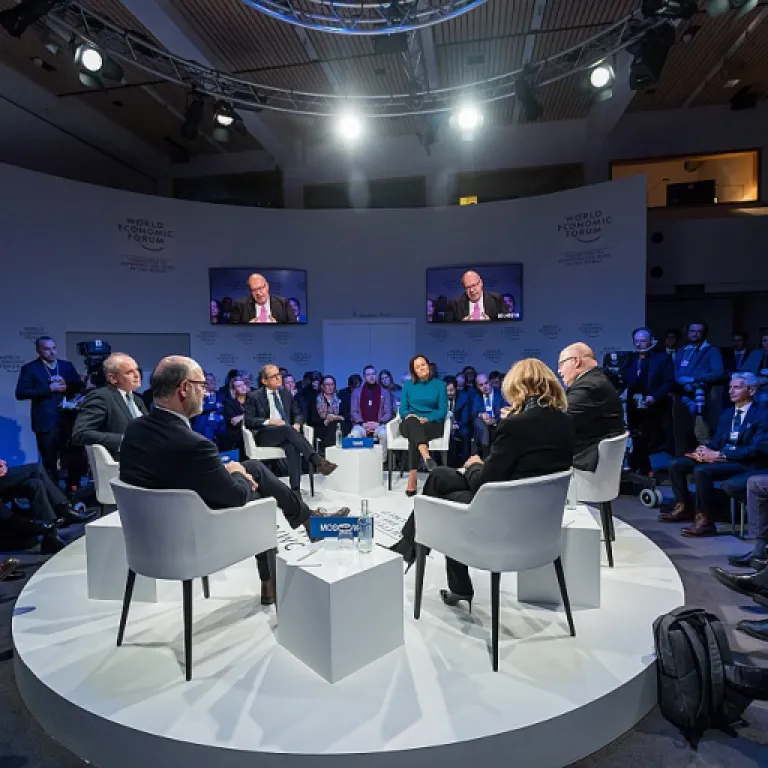
One standout element was how the event used the convention centre layout to separate learning zones from dealmaking zones, while still allowing easy movement between them. Quiet rooms near the centre of the floor supported one-to-one meetings where innovators and dealmakers could negotiate leases, partnerships and pilots, while larger theatres hosted briefings on the latest trends in consumer behaviour and logistics. This physical separation of spaces, yet tight integration of themes, is directly relevant to Australian organisers seeking to elevate retail co-op marketing program administration for Australian B2B events and channels through more intentional floor planning.
ICSC Southeast events, including the Atlanta gathering, also integrate structured matchmaking tools that help participants create connections before they arrive on site. Attendees can download event apps, filter by retail segment or real estate asset class, and schedule meetings that ensure conversations translate into concrete outcomes. Australian organisers who learn from these tools can move their own events, ICSC-style, toward curated meeting programs that catalyze deals, rather than relying on chance encounters in crowded halls.
Using ICSC Atlanta insights to reposition Australian retail and FMCG shows
For Australian B2B professionals, the most valuable aspect of ICSC Atlanta 2025 is how it reframes retail as part of a broader marketplaces industry. The program highlighted mixed-use developments where residential, office and experiential retail share the same real estate footprint, which is directly relevant to Australian CBD renewal projects. When local organisers in Melbourne, Sydney or Brisbane align their agendas with these latest trends, they position their events as essential forums for city shaping rather than narrow trade fairs.
ICSC Atlanta’s focus on sustainability, technology integration and community impact also offers a template for Australian shows that want to attract changemakers driving long-term transformation. Retailers and landlords in the United States are increasingly expected to report on energy use, social impact and digital engagement, and the Atlanta, Georgia event treated these as core topics rather than side issues. Australian organisers can mirror this by building program streams that help brands learn how to meet similar expectations while still protecting margins in competitive forward markets.
There is also a tactical lesson in how ICSC uses its united community of members to cross-promote events across regions and months such as July, August and October. Australian organisers can study how ICSC Southeast positions Atlanta within a calendar that includes other states and forward-region gatherings, then apply similar tactics when promoting local retail trade shows or guides such as a professional’s guide to the premier retail trade event in Melbourne. By doing so, they ensure that their own events, inspired by ICSC, become part of a continuous development journey for retailers rather than isolated annual appointments.
Designing Australian venues with Georgia World Congress Center in mind
The Georgia World Congress Center demonstrates how architecture can support industry-forward outcomes. Its flexible halls allow organisers to shift quickly between large plenary sessions on real estate investment and smaller workshops on digital retail tools, without losing the sense of a single integrated event. Australian convention centres can emulate this by investing in movable walls, advanced wayfinding and digital signage that help visitors find the right content at the right time.
At ICSC Atlanta 2025, the convention centre layout was used to cluster exhibitors by theme, such as technology providers, retail design firms and mixed-use developers. This clustering helped attendees learn faster, because they could walk a short distance and compare multiple solutions addressing the same challenge, from omnichannel inventory to last-mile logistics. Australian organisers can apply the same principle by grouping exhibitors around problems rather than product categories, which makes it easier for time-poor executives to create connections and identify opportunities.
The way Georgia-based stakeholders use the convention centre also matters for Australian planners. Local authorities, chambers of commerce and regional investment agencies shared space with private sector exhibitors, signalling that the United States public sector sees retail and real estate as strategic levers for development. Australian state governments and city councils could adopt a similar presence at major B2B events, using shared pavilions to show how public and private actors are driving marketplaces and supporting changemakers leading regeneration in key precincts.
From networking to dealmaking: how ICSC structures connections
ICSC events, including the Atlanta gathering, are engineered so that connections catalyze measurable outcomes rather than remain vague networking memories. Pre-scheduled meetings, curated roundtables and sector-specific receptions all serve to catalyze deals between retailers, landlords and service providers. Australian organisers who want to move their own events, ICSC-style, toward higher ROI can adopt similar formats, especially in sectors where long lease cycles and capital-intensive projects demand deep relationship building.
The Atlanta, Georgia program also showed how to balance open community sessions with invite-only deal rooms. Public keynotes on news trends in the marketplaces industry drew large crowds, while smaller rooms hosted innovators and dealmakers working through specific real estate transactions or partnership models. This tiered approach ensures that the broader community feels included, while those ready to move forward on concrete projects have the privacy and time they need.
For Australian B2B planners, one practical step is to integrate account mapping and structured meeting programs into their event design, as outlined in guidance on how account mapping reshapes key account strategy for Australian B2B events. By using data to identify which companies are most likely to transact, organisers can create connections that are more targeted and ensure that events in July, August or October align with budgeting and planning cycles. Over time, this shifts perception of Australian retail and FMCG events from marketing showcases to critical platforms driving marketplaces and long-term development.
Translating ICSC Atlanta content themes to Australian priorities
The content at ICSC Atlanta 2025 revolved around three pillars: retail space optimisation, technology integration and mixed-use real estate development. Each pillar speaks directly to challenges facing Australian cities, from underperforming shopping centres to the need for more resilient, community-focused precincts. When Australian organisers curate their own agendas, they can use these pillars as a framework while tailoring case studies to local regulations, consumer behaviour and capital markets.
Sessions on technology integration in the United States highlighted tools such as computer vision, dynamic pricing and omnichannel order management, all aimed at keeping the industry forward in a volatile environment. Australian events can go further by inviting both global vendors and local scale-ups to show how these tools adapt to Australian privacy laws, labour markets and logistics constraints. This dual perspective helps attendees learn not just what is possible, but what is practical in their own states and territories.
Mixed-use development content from Atlanta, Georgia is particularly relevant for Australian precincts around major transport hubs. The way Georgia planners combine residential, office and experiential retail in single projects offers a template for Australian cities seeking to revitalise ageing centres while maintaining community character. By framing these discussions within a broader marketplaces industry narrative, Australian events can attract changemakers driving innovation across planning, finance and operations, rather than speaking only to traditional retail audiences.
Building an Australia–US learning loop around ICSC and regional events
ICSC Atlanta 2025 should not be seen as a one-off reference point for Australian organisers, but as part of an ongoing learning loop with the United States. Each year, the ICSC Southeast series refines its formats, themes and digital tools, offering fresh insights into how to keep events aligned with shifting market conditions. Australian professionals who track these changes can benchmark their own programs and adjust quickly when new trends emerge in leasing, financing or consumer behaviour.
Creating this loop requires more than occasional study tours to a single convention centre in Georgia. Australian associations, venue operators and major organisers can form working groups that analyse ICSC agendas, speaker line-ups and exhibitor mixes, then translate those patterns into local experiments. Over time, this collaborative approach helps the Australian B2B ecosystem move forward as a cohesive forward region, rather than a set of isolated states competing for attention.
Finally, there is an opportunity to use digital content, recordings and downloadable materials from ICSC events to enrich Australian programs without duplicating sessions. Organisers can license or reference selected talks on retail and real estate, then pair them with live local panels that contextualise the ideas for Australian conditions. This hybrid approach ensures that Australian events remain grounded in their own community while still benefiting from the scale, expertise and authority that ICSC and its global network bring to the marketplaces industry.
Key statistics and structural insights from ICSC Atlanta
- ICSC Atlanta in October typically runs for three days at the Georgia World Congress Center, a duration that allows for both deep learning and intensive dealmaking without overwhelming attendees (source: International Council of Shopping Centers).
- The event attracts a large cohort of retail real estate professionals, indicating strong demand for in-person marketplaces industry forums even as digital channels expand (source: International Council of Shopping Centers).
- Program formats combine panel discussions and workshops, reflecting a deliberate balance between high-level strategic debate and hands-on capability development for retailers and landlords (source: RLBA case study on retail space optimisation).
- Case studies on retail space optimisation report increased profitability for retailers that reconfigure layouts and tenant mixes, underscoring the commercial value of data-driven design (source: RLBA retail space optimisation case study).
- Technology integration sessions highlight that digital tools such as analytics platforms and customer engagement apps can significantly enhance customer experience when embedded into real estate strategies (source: RLBA technology integration case study).
FAQ about ICSC Atlanta and Australian B2B retail events
How is ICSC Atlanta relevant to Australian retail and FMCG events?
ICSC Atlanta focuses on retail real estate, mixed-use development and technology integration, all of which mirror challenges in Australian cities. By studying its agenda and formats, Australian organisers can design events that better connect retailers, landlords and investors around shared precinct-level goals.
What can Australian venues learn from the Georgia World Congress Center?
The Georgia World Congress Center shows how flexible halls, clear zoning and integrated meeting spaces can support both large plenaries and private deal rooms. Australian convention centres can adopt similar design principles to improve wayfinding, encourage targeted networking and support complex multi-track programs.
Why does ICSC emphasise the Southeast region of the United States?
ICSC Southeast positions the region as a growth corridor for retail and mixed-use real estate, with Atlanta, Georgia as a central hub. This regional framing helps attract investment, talent and innovation, offering a model that Australian states and cities can adapt for their own precinct strategies.
How can Australian organisers turn networking into concrete deals?
ICSC events use pre-scheduled meetings, curated roundtables and sector-specific receptions to move beyond informal networking. Australian organisers can implement similar structures, supported by account mapping and digital matchmaking tools, to ensure that connections lead to measurable commercial outcomes.
Which content themes from ICSC Atlanta should Australian events prioritise?
Australian B2B retail and FMCG events should prioritise retail space optimisation, technology integration and mixed-use development, as highlighted in Atlanta. These themes align closely with local needs around precinct renewal, sustainability and omnichannel customer experience.
Sources: International Council of Shopping Centers (ICSC); RLBA Bowen at ICSC Atlanta; Georgia World Congress Center Authority.
