Hybrid B2B events in Australia move from experiment to default
Hybrid B2B events in Australia have shifted from contingency plan to baseline format. As industry reports show that about 65 % of Australian B2B events now use a hybrid event model and attendance has risen roughly 30 %, marketing leaders are treating hybrid as core infrastructure rather than a side stream. For any B2B business with clients across Australia and the wider Asia Pacific region, this change in events strategy is already reshaping budgets, sales pipelines and brand positioning.
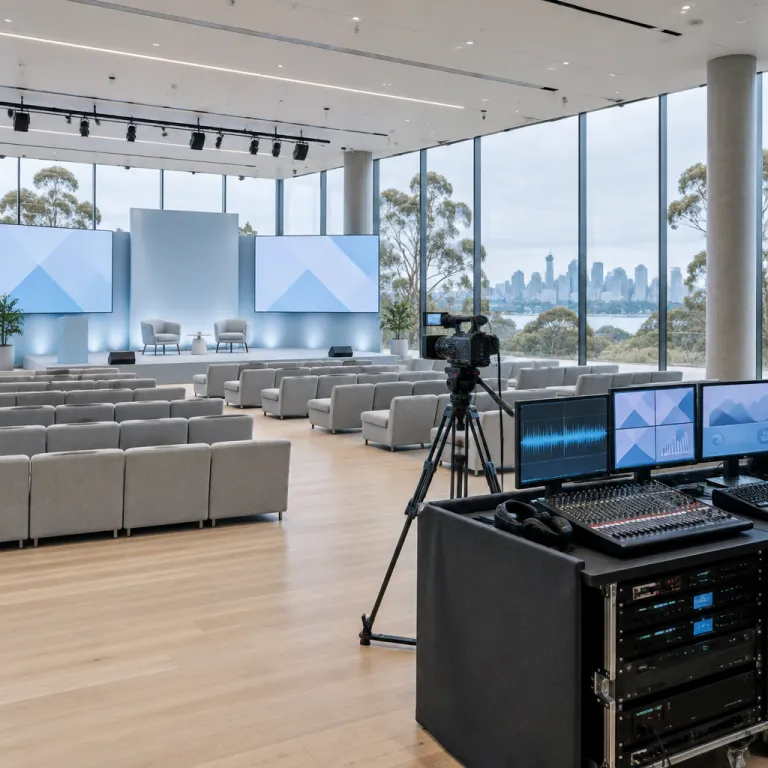
The single label of hybrid hides at least three distinct event formats. First are broadcast style conferences where a physical conference in Sydney Melbourne or Brisbane is streamed online to remote attendees, which suits thought leaders content but offers limited networking opportunities or user experience depth. Second are participation led hybrid events where in room and online attendees can both attend workshops, ask questions, and join curated networking opportunities, which demands stronger digital platforms, better data capture and closer collaboration between sales marketing and event marketing équipes.
The third format is distributed hybrid events built around micro events and hubs. Here, a head of marketing might run a flagship event in Sydney while hosting small hosted events in Perth, Adelaide and regional centres, all linked through digital platforms and social media to create one integrated hybrid event experience. This model aligns with benchmarks showing that micro events under 50 attendees grew by about 16 % and that companies investing more in such events are significantly more likely to report 20 % year on year growth, which is pushing demand gen and growth marketing teams to rethink how they balance large trade shows with smaller professional services roundtables.
The geography premium: hybrid events as a reach and data engine
For Australian B2B organisations, geography is not an abstract constraint but a hard cost line in every event budget. Hybrid B2B events in Australia are increasingly used to reach Perth, Darwin and regional attendees who would rarely attend a single city conference, while still preserving the high value in person experience for local participants. This is especially visible in sectors such as technology, mining services and professional services, where sales teams need both national coverage and deep local relationships.
Marketing leaders are reallocating spend from one large flagship sponsorship into a portfolio of hybrid events and hosted micro events. A typical shift sees about 20 % of a major trade show sponsorship redirected into a series of small hybrid event formats, each capped at fewer than 50 attendees but designed for high intent lead generation and richer customer experience outcomes. In this model, digital marketing, paid media and social media campaigns are used to segment audiences, while event marketing teams orchestrate both online and on site touchpoints to feed qualified data into CRM systems for sales teams follow up.
Virtual trade show style platforms now sit at the centre of this approach. Case studies such as Corporality Events in Sydney and the Generate Summit in Sydney show how a single hybrid conference can serve both local and Asia Pacific audiences through online stages, exhibitor areas and structured networking opportunities, which mirrors broader trends described in analyses of how a virtual trade show platform is reshaping B2B events in Australia. When these platforms are configured correctly, every interaction across hybrid events becomes a data point for demand gen, growth marketing and sales marketing leaders, who can then compare ROI across conferences, micro events and digital only campaigns with far greater precision.
Designing the hybrid attendee journey and upgrading team skills
Hybrid B2B events in Australia now succeed or fail on the quality of the attendee journey rather than on the novelty of the format. A true hybrid attendee experience in the current cycle is no longer just livestreaming a keynote but a designed path where online and in person attendees can both attend sessions, book meetings, join curated networking opportunities and access on demand content that supports sales conversations. This requires event marketing leaders to think in terms of user experience design, not only logistics, and to align every touchpoint with specific lead generation or customer experience objectives.
Marketing leaders are therefore building new capabilities inside their équipes. They need producers who understand digital platforms, data specialists who can translate engagement données into sales ready signals, and content strategists who can adapt conference material for online consumption across social media, paid media and always on digital marketing channels. Hybrid events also demand closer alignment between sales teams and marketing teams, because the most valuable interactions often happen after the event when follow up meetings, demos and proposals convert event engagement into measurable business growth.
Industry analysis such as “In-person, Online and Back Again -- A Tale of Three Hybrid Hackathons” and “GAIA: A General Agency Interaction Architecture for LLM-Human B2B Negotiation & Screening” underline how hybrid formats are reshaping negotiation, screening and collaboration behaviours across B2B ecosystems. For Australian heads of marketing planning their next portfolio of hybrid events, resources on how business conferences are categorized in Australia and on virtual trade show strategies for B2B events in the digital era provide useful frameworks to classify each event by its role in the funnel, from early stage brand and thought leaders positioning to late stage demand gen and sales acceleration. The strategic question is no longer whether hybrid events will remain but how each hybrid event in the calendar contributes to pipeline, partnerships and market insight with clear, data backed ROI.